





Saint Michael's Kirkyard, Dumfries: a Presbyterian Valhalla

Saint Michael's Kirkyard, Dumfries: a Presbyterian Valhalla, James Stevens Curl, NERFL Press, Holywood, 2021, 228 pages, black and white and colour illustrations.
This handsome book, which was published by subscription (to buy it, contact [email protected] for further details), follows a series of Stevens Curl’s recent works that are listed on the first page. He has developed a specialism in the scholarly analysis and presentation of buildings and monuments, such as the graveyard in Dumfries and others in Scotland that are the subject of this, his most recent volume. It covers the period in the 1800s when it was customary for those who could afford it to erect a costly and grand funeral monument to family members.
Saint Michael’s is the site of a tomb so famous that it is a widely visited shrine. It once had, as shown in one of the many photos here, a top-hatted gatekeeper. ‘The greatest of Scots’, Robert Burns (1759–96), is buried here. His monument, like Pushkin’s in a Russian monastery garden, celebrates a writer who created a language by setting down a rural vernacular alongside literary forms, just as Dante had done for Italian (his tomb in Ravenna is cited and shown in these pages).
My career as a conservation officer touched on similar monuments in and around London, such as two Victorian cemeteries in Ealing and Thomas Grey’s beautiful, evocative monument at Stoke Poges. Current practitioners or recruits might do well to keep a copy of this book in readiness as a permanent reminder of the depth of knowledge needed for the full understanding of such memorials. The extent of source material that the long career of Stevens Curl has put at his command and his painstaking, thorough exposition of it set a standard which we should all endeavour to reach.
Exposed to the damp and breezy Dumfriesshire climate, the memorials are subject to decay, and the author raises questions of preservation and maintenance. The book might inspire conservators to look at this kirkyard and others like it for examples of decay and suitable remedies. Ownership of the book will instruct newcomers to the field of architectural history on most methods of research and how our strongest interests derive by instinct from real-life experiences, even in youth.
The author allows us glimpses of his personal and family history. We learn of how the time was spent, many years ago, when waiting at Dumfries to reach the Stranraer ferry on the way to his parents’ home in Ireland in this very kirkyard between the bluest of skies and driving rain.
This article originally appeared as: ‘Here lies Robert Burns’ in Context 168, published by the Institute of Historic Building Conservation (IHBC) in June 2021. It was written by Graham Tite, gardener, cook and essayist.
--Institute of Historic Building Conservation
Related articles on Designing Buildings Wiki
IHBC NewsBlog
IHBC sponsors Gardens Trust event 23-4 Sept 2026
.jpeg)
'Learning from the Past, Shaping the Future’ takes place in Milton Keynes
Renovations to Frank Lloyd Wright's Fallingwater complete
.jpg)
World Heritage Preserved project opens house for tours again
Shakespeare Birthplace Trust places Hall's Croft on HAR Register
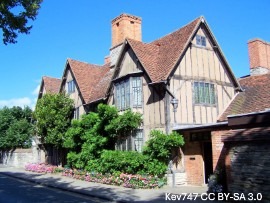
Stratford-upon-Avon home of Shakespeare's daughter is 'At Risk'
Lady Grange’s House repaired on St Kilda
.jpg)
National Trust for Scotland repairs stone cleit with link to famous island resident
Griff Rhys Jones on BBC Radio 4 Today programme
,_Green_Lane,_Derby.jpg)
The Victorian Society’s President unveiled its latest Top Ten Endangered Buildings 2026.
Need a MATE? Book your place now.
IHBC offers free webinars on applying for IHBC accreditation (Full & Associate).
UK Stained Glass Repository finds windows new homes
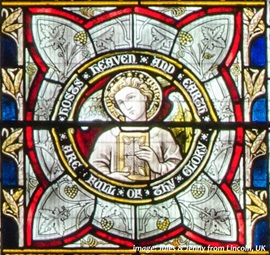
How are stained glass windows are rescued, stored and repurposed?
APPGEBE report sets high aims for quality
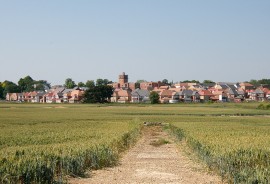
'Government must not sacrifice quality in drive to build 1.5m homes'
New measures protect Historic Shipwrecks from heritage crime

Underwater cultural heritage benefits from new HE guidance
How could the City of London skyline look in 6 years' time?

Visualisation shows approved planning applications as completed buildings
National Trust for Scotland calls for VAT cuts
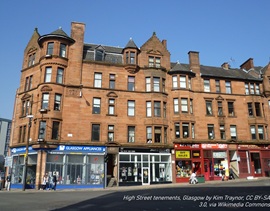
Heritage neglect is encouraged by current policies
IHBC's 'Context' Issue 186 features Industrial Heritage
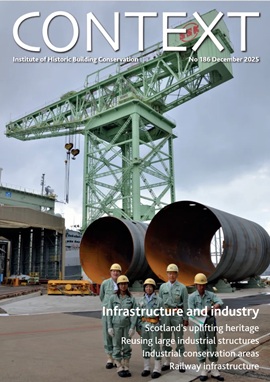
IHBC's members' journal reports on the challenges of conserving infrastructure
Book now for IHBC Annual School 2026

IHBC Annual School is taking place 18-20 June 2026 in Newcastle
RICHeS Research Infrastructure offers ‘Full Access Fund Call’
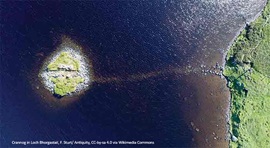
RICHeS offers a ‘Help’ webinar on 11 March
Latest IHBC Issue of Context features Roofing
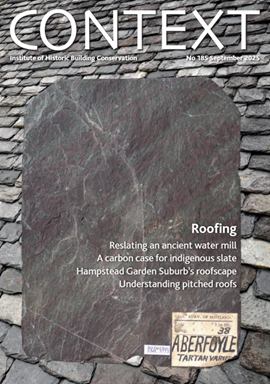
Articles range from slate to pitched roofs, and carbon impact to solar generation to roofscapes
Three reasons not to demolish Edinburgh’s Argyle House

Should 'Edinburgh's ugliest building' be saved?
IHBC’s 2025 Parliamentary Briefing...from Crafts in Crisis to Rubbish Retrofit
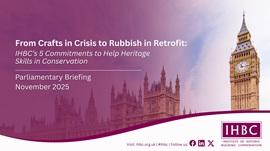
IHBC launches research-led ‘5 Commitments to Help Heritage Skills in Conservation’
How RDSAP 10.2 impacts EPC assessments in traditional buildings

Energy performance certificates (EPCs) tell us how energy efficient our buildings are, but the way these certificates are generated has changed.